
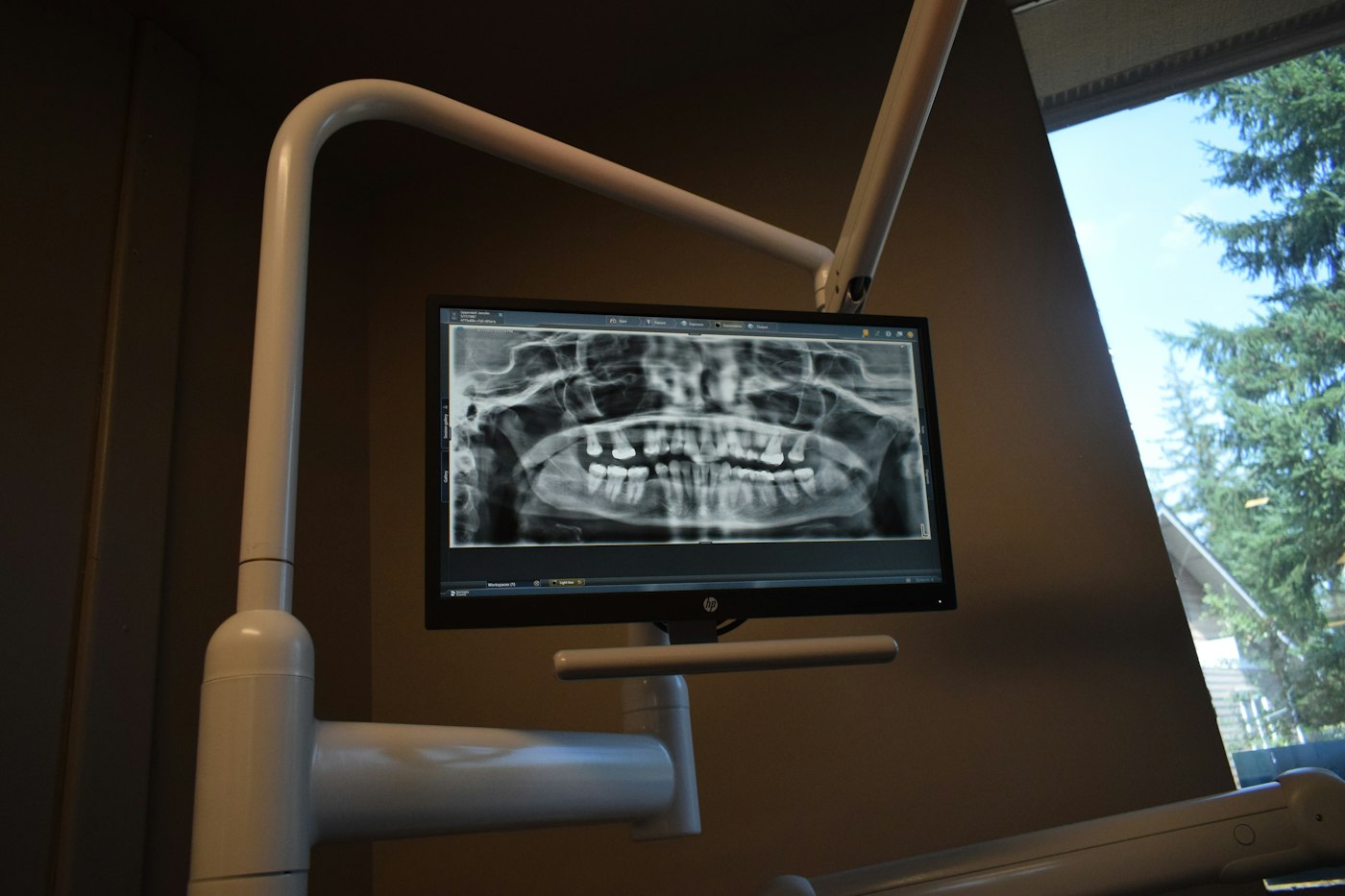
Dental implants are universally recognized by dental professionals as the gold standard for tooth replacement. Unlike traditional bridges or removable dentures, implants replicate both the visible crown and the unseen root of the tooth. However, achieving long-term implant success requires one non-negotiable biological element: adequate jawbone volume and density.
If a tooth has been missing for an extended period, or if bone loss has occurred due to periodontal disease or trauma, a bone grafting procedure may be necessary. Far from a setback, bone grafting is the foundational step that makes stable, lifelong dental restoration possible.
The Biology of Bone Resorption After Tooth Loss
Natural tooth roots perform a vital physiological duty: every time you bite, chew, or speak, the root transmits mechanical forces down into the jawbone. This constant stimulation signals the body to maintain bone density and volume.
When a tooth is lost, that localized stimulation ceases immediately:
- Rapid Initial Loss: Research shows that up to 25% of the underlying jawbone’s width can resorb within the first 12 months following an extraction.
- Structural Collapse: Over time, progressive bone atrophy can alter facial contours, causing cheeks to appear hollowed and accelerating facial aging.
- Insufficient Anchor Support: A dental implant post requires a dense sleeve of surrounding bone to integrate successfully via a process called osseointegration. Without sufficient bone, an implant cannot achieve the stability required to withstand normal chewing forces.
How Modern Bone Grafting Works
Bone grafting is a highly predictable, routine surgical procedure designed to repair and regenerate missing skeletal architecture.
During the procedure, your oral surgeon places biocompatible grafting material—sourced from sterile donor tissue, synthetic alternatives, or purified bovine elements—into the area of deficiency. This material acts as a bioactive scaffold. Over the span of a few months, your body’s natural bone-building cells migrate into the matrix, gradually replacing it with fresh, living, vascularized bone.
Depending on your unique anatomical needs, your surgeon may recommend one of several types of bone grafting:
- Socket Preservation: Performed immediately following an extraction to fill the socket, preventing post-extraction collapse and preparing the site for a future implant.
- Sinus Augmentation (Lift): Safely elevating the sinus floor in the upper posterior jaw to generate adequate vertical bone height for upper molar implants.
- Ridge Augmentation: Widening or heightening the alveolar ridge to restore a healthy, robust contour capable of supporting robust restorations.
Investing in a Permanent, Healthy Smile
By rebuilding the natural architecture of your jaw, bone grafting transforms compromised sites into pristine foundations. Once the graft has fully matured and integrated, your dental implants can be placed with absolute confidence, providing a sturdy, permanent bite that looks, feels, and functions entirely like natural teeth.
Explore Your Options at CJOMS
If you have been told in the past that you lack sufficient bone density for dental implants, do not assume options are exhausted. Modern regenerative techniques have made implants accessible to more patients than ever before.
Schedule an advanced implant consultation with our board-certified surgical team at our Matawan, Ocean Township, or Freehold offices to learn how we can rebuild your smile from the foundation up.
Ready to schedule a consultation with us?
Call one of our three convenient locations: Matawan 732-566-7648 · Ocean Township 732-531-4400 · Freehold 732-431-4800
Posted on Nov 3rd, 2026.