
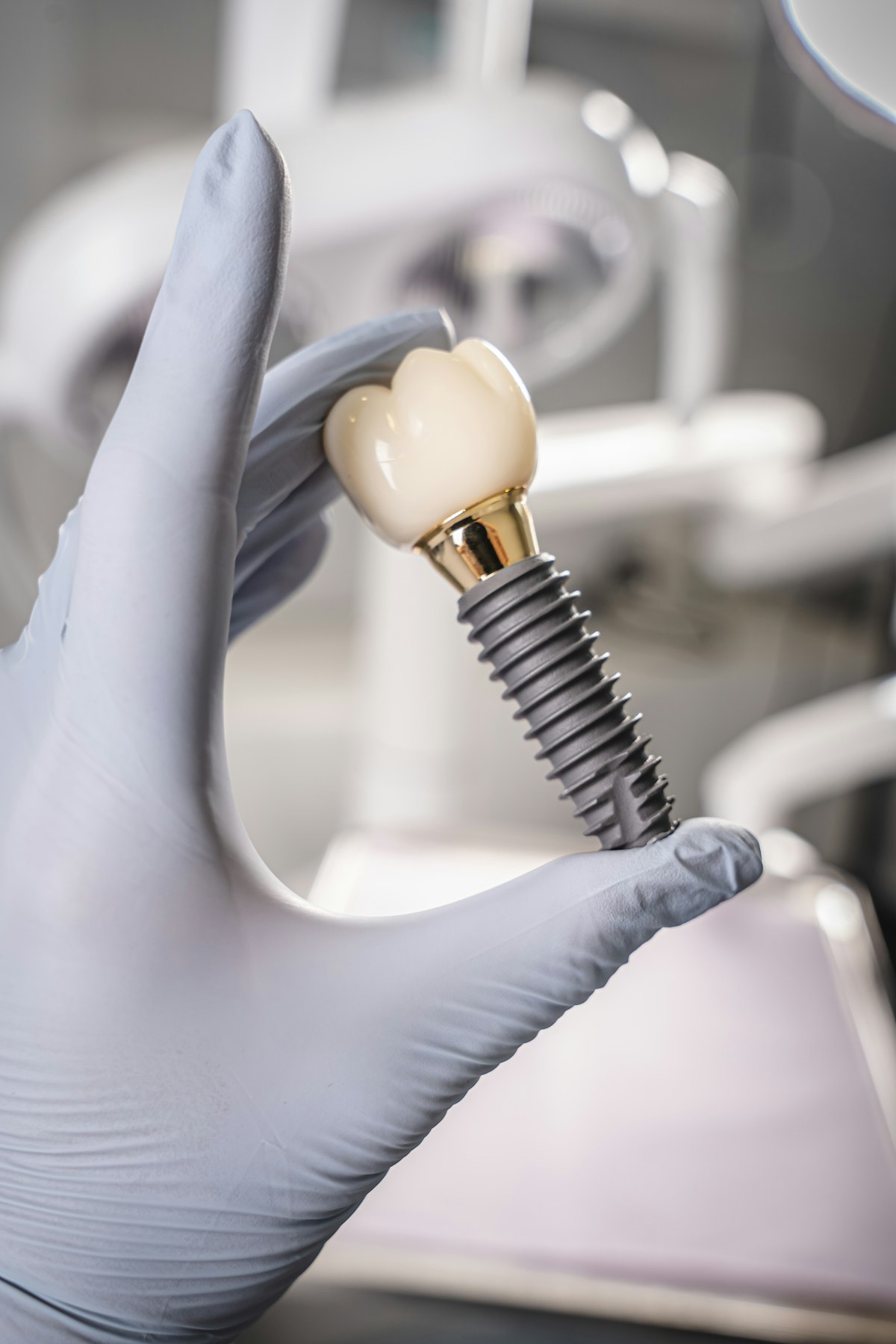
Losing one or more teeth alters far more than your smile—it impacts your nutritional intake, speech clarity, self-confidence, and even your facial structure. When exploring tooth replacement options, patients are typically presented with two primary pathways: traditional removable dentures or modern dental implants.
While both solutions restore basic functionality, they approach oral rehabilitation in fundamentally different ways. Understanding how each option affects your long-term physiological health is essential to making an informed decision.
Traditional Dentures: The Conventional Approach
Traditional full or partial dentures rest directly upon the gum tissue, relying on suction, natural contours, or clasps for retention.
- The Advantages: Dentures are generally non-invasive to place initially, require less upfront surgical healing time, and typically involve lower initial financial investment compared to comprehensive implant surgery.
- The Limitations: Because dentures sit on top of the gums without replacing the root structure beneath, they do nothing to stop ongoing jawbone resorption. Over time, as the underlying bone shrinks, dentures can loosen, shift while eating or speaking, and require frequent relining or adhesives to maintain a secure fit. Additionally, biting force with traditional dentures is significantly reduced—often limited to only 20% to 25% of natural chewing capacity.
Dental Implants: The Gold Standard for Permanent Restoration
Dental implants consist of biocompatible titanium or zirconia posts surgically placed directly into the jawbone, serving as artificial roots. Once integrated, they anchor custom crowns, bridges, or full-arch fixed restorations.
- Physiological Preservation: Because implants mimic natural tooth roots, they continually transmit chewing forces to the jawbone, completely halting bone loss and preserving facial contours.
- Unmatched Stability & Strength: Implants do not slip, click, or irritate the gums. They restore nearly 100% of natural bite strength, allowing you to enjoy crisp, nutritious foods—such as raw vegetables and lean proteins—without dietary restrictions.
- Longevity: Unlike traditional dentures that require replacement or adjustment every few years, dental implants are designed to last for decades, often a lifetime with proper oral hygiene.
Hybrid Options: Implant-Supported Dentures
For patients missing an entire arch of teeth who may not want or need an individual implant for every missing tooth, implant-supported overdentures offer an exceptional middle ground. Secured firmly onto two to four strategic implants, these appliances snap securely into place, eliminating slipping while remaining removable for easy cleaning by the patient.
Personalizing Your Treatment Plan at CJOMS
Every patient’s oral anatomy, lifestyle, and clinical needs are unique. Determining whether traditional prosthetics, single implants, or full-arch restorations are right for you requires a comprehensive diagnostic evaluation. If bone loss is a concern, read why bone grafting is the foundation for successful dental implants.
Consult Our Specialists
To explore advanced tooth replacement solutions tailored to your long-term health, schedule a consultation with our board-certified surgeons at Central Jersey Oral and Maxillofacial Surgery in Matawan, Ocean Township, or Freehold.
Ready to schedule a consultation with us?
Call one of our three convenient locations: Matawan 732-566-7648 · Ocean Township 732-531-4400 · Freehold 732-431-4800
Posted on Nov 10th, 2026.