
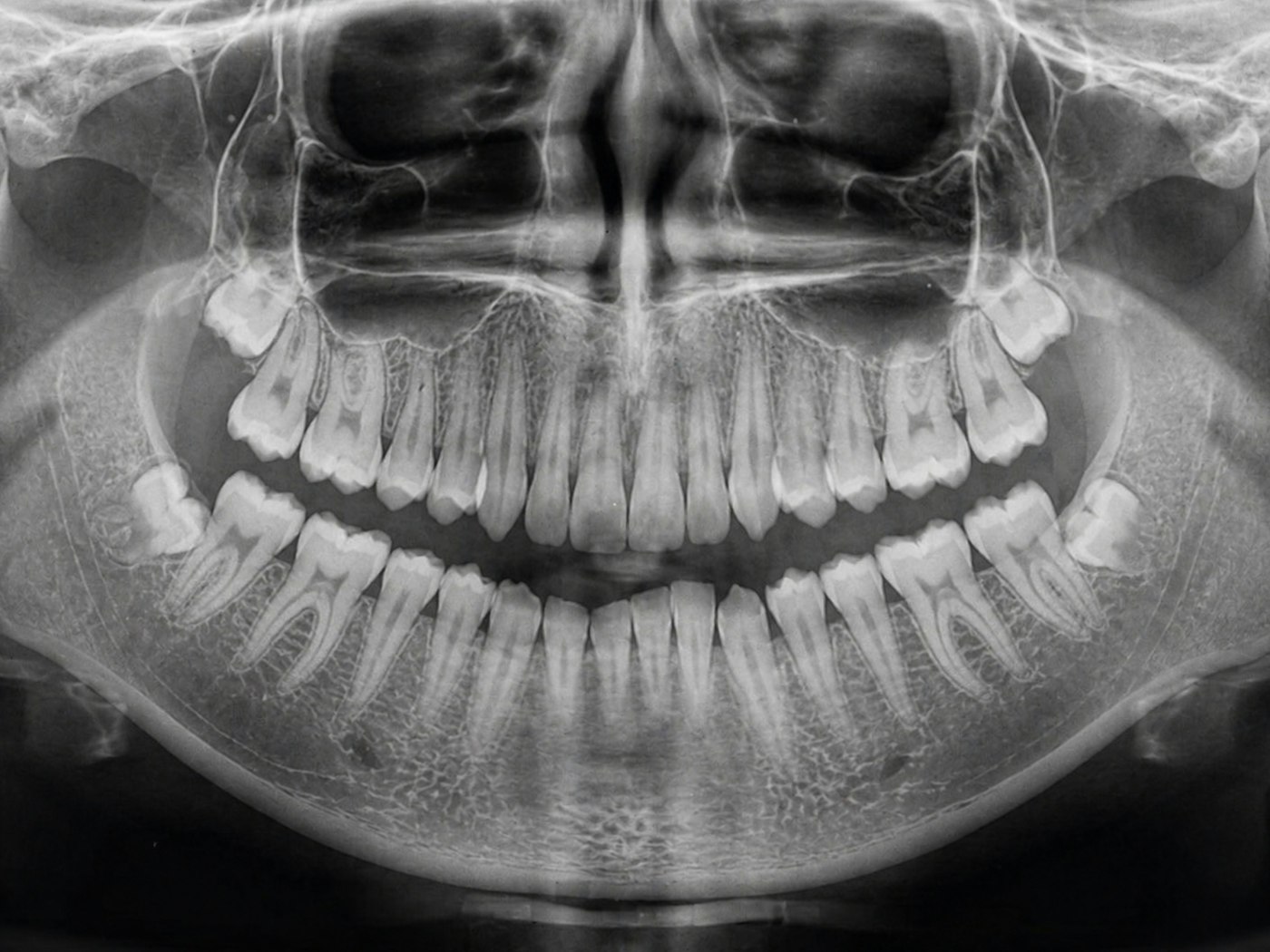
As the autumn season transitions into the busy holiday home stretch, families across Monmouth and Middlesex counties begin planning end-of-year schedules. For parents of teenagers and young adults, one crucial health milestone to evaluate is the development of wisdom teeth.
Scheduling wisdom teeth evaluation and extraction around late fall or winter break offers a strategic advantage. It provides young patients with the necessary downtime to recover comfortably in a stress-free environment, entirely uninterrupted by school finals, extracurricular activities, or academic attendance requirements.
Why Timing Matters: The Clinical and Practical Advantages of Winter Break
Wisdom teeth, clinically known as third molars, typically emerge between the ages of 17 and 25. During these formative years, the roots of the teeth are not yet fully anchored, and the surrounding jawbone density is more forgiving. Consequently, early removal significantly streamlines the surgical procedure and accelerates healing.
Utilizing the winter break for surgery provides key benefits:
- Uninterrupted Academic Progress: Most patients require roughly three to five days of rest before resuming normal light activities. Scheduling ahead of school breaks ensures your teen stays on track academically.
- Calm, Controlled Recovery: Healing at home during the holiday slowdown allows patients to follow post-op dietary and medication guidelines without the pressure of rushing back to a demanding classroom routine.
- Maximizing Dental Insurance Benefits: If you have remaining balances in your Flexible Spending Account (FSA), Health Savings Account (HSA), or have met your annual dental insurance deductible, completing necessary procedures before December 31 can optimize your financial investment.
Clinical Indicators: When Should Wisdom Teeth Be Evaluated?
While some third molars erupt comfortably, many become impacted—trapped beneath the gum line or bone—or emerge at compromised angles. Left unmanaged, these teeth can create silent oral health complications.
We recommend an evaluation if your teen experiences:
- Orthodontic Compromise: Pressure from erupting third molars can cause crowding, shifting previously straightened teeth.
- Pericoronitis: Inflammation or infection of the gum tissue surrounding a partially erupted tooth, causing localized tenderness and swelling.
- Cyst Formation: Fluid-filled sacs can develop around impacted teeth, potentially damaging nearby tooth roots and jawbone structure.
- Persistent Jaw Discomfort: Dull aches, stiffness, or difficulty cleaning effectively at the very back of the mouth.
The CJOMS Patient Comfort Commitment
At Central Jersey Oral and Maxillofacial Surgery, patient safety and comfort guide everything we do. Our board-certified oral and maxillofacial surgeons—Dr. McElroy, Dr. Paterson, Dr. Gelband, and Dr. Shah—utilize advanced 3D cone-beam computed tomography (CBCT) imaging to visualize nerve pathways and design exceptionally precise surgical plans.
To eliminate anxiety, we offer tailored anesthesia and sedation options, ranging from nitrous oxide to safe, gentle intravenous (IV) sedation. Our clinical care team monitors your teen closely from arrival through full post-operative recovery, ensuring a completely comfortable experience.
Secure Your Consultation Today
Because winter break appointment slots fill quickly, we encourage families to plan ahead. Contact Central Jersey Oral and Maxillofacial Surgery today to schedule a comprehensive evaluation at our Matawan, Ocean Township, or Freehold offices.
Ready to schedule a consultation with us?
Call one of our three convenient locations: Matawan 732-566-7648 · Ocean Township 732-531-4400 · Freehold 732-431-4800
Posted on Nov 2nd, 2026.